Never miss a post.
Divorced After Purity Culture: Rebuilding Healthy Sexual Ethics
- Sarah McDugal
- Healing After Harm
Q: I’m the product of Purity Culture. I courted instead of dating. I was a virgin on my wedding night, and honestly, sex was never very enjoyable. When I didn’t feel well, my spouse adamantly reminded me of how I was sinning by depriving him of orgasm on demand. In addition to his entitled sexuality, he was compulsively deceptive and unfaithful. I’ve been divorced for a while, and I’m finally considering dating again. Now, I’m trying to figure out my own sexual standards from the ground up. I want sexual faithfulness and commitment, but does it matter if I wait until marriage again, if a new partner treats me well and we are committed to each other? Please don’t condemn me for asking these raw questions… How do I navigate this for myself?
First of all, I want to affirm you for engaging in this deeply personal process with such gentleness, insightfulness, and respect. Sexual standards after surviving abuse and betrayal are a raw topic often layered in much potential for shame, ridicule, and anguish.
I’m not going to provide a conclusion for you, but rather outline a trail map for you to navigate the process of defining and articulating your own stance. I’ll do my best to present a variety of key angles to consider, without drifting into telling you what you ought to conclude.
I know some who read this article will immediately assume that I must be advocating for sexual promiscuity or excusing immorality — I’m certainly not. I do believe strongly that God does not force specific views on us (not even His own ideal ones designed for our best good), and neither should we force them on each other. Instead, He created us to use our minds and He leaves us the freedom to consider and choose what course of action we will take.
It is my hope that these questions will be helpful as you consider the angles for yourself.
Here are eight questions to consider:
1) Did you wait for sex the first time? If so, do you feel betrayed by that waiting, or do you feel that waiting contributed to your marital failure in any way?
2) Do you feel that Purity Culture teachings contributed to your abusive marriage? If so, which aspects do you no longer believe, and why?
3) Do you see a scriptural basis for zero sex before marriage as opposed to adultery/infidelity within marriage? Have you studied the topic for yourself?
4) Have you considered the increased risks of contracting an STD based on the age range of your dating pool? How does this aspect impact your potential conclusions based on medical safety considerations?
5) Was physically technical virginity preached as a main issue defining your identity and feminine worth in your past? If so, do you feel that sex before vows is no longer relevant because you're no longer a virgin?
6) Do you have children/teens observing your boundaries being lived out in real time, which may further complicate your decision-making process for yourself?
7) Have you arrived at a PERSONAL decision of what you're comfortable with sexually and a clear definition of your own sexual ethics that is based NOT on whatever you were taught as a 16yo, but drawn from both your current adult belief system and your hard-earned wisdom/experience?
8 ) Do you feel the traditional Western marriage license and involvement of government/taxation structures is what identifies a proper marriage commitment? If not, what do you believe defines a binding marital commitment?
I’d recommend journaling your thoughts in detail on each question as you work through the process -- and I've created a bonus workbook with prompts to help you do just that!.
Want the Divorced After Purity Culture workbook
+ Sarah's video discussions on each question?
It's all exclusively available in the TREK, our patron membership group!
I've gotten super vulnerable and shared snippets of my own process of thoughts, to spark your journey through each question above, in our exclusive Marco Polo ShareCast inside the TREK where it's a bit more intimate with our patron members.
But I'll outline some key points here, too:
1) Did you wait for sex the first time? If so, do you feel betrayed by that waiting, or do you feel that waiting contributed to your marital failure in any way?
This is going to vary from woman to woman. Many survivors experienced horrific sexual assault on the honeymoon and had zero reference point for what just happened. Others were completely ignorant about the workings of sex and their own bodies and experienced unfulfilling, un-intimate sex out of ignorance.
Assess your own story, and wrestle through the implications on your experience and your resulting belief system, for yourself.
2) Do you feel that Purity Culture teachings contributed to your abusive marriage? If so, which aspects do you no longer believe, and why?
For me, the teachings of Purity Culture absolutely contributed to my abusive marriage. I'd read all the books. Passion and Purity, When God Writes Your Love Story, Love & Respect, For Women Only, For Young Women Only, The Excellent Wife, The Sacred Search...
Teachings that stand out as particularly damaging included messages about the definition of being a good woman, such as:
a good woman steps aside and waits for the man to take ALL leadership regardless of what she’s good at,
a good woman meets her man's sexual needs in order to prevent him from cheating (her sexual enjoyment or satisfaction wasn’t even on the radar)
a good woman silences herself to make sure she’s never bigger, shinier, or more capable than her husband.
These concepts, consistently reinforced over years of betrayal and deception, left undeniable skid marks on my worldview. I no longer believe in any part of the “men need sex” message, nor in any of the related justifications for hierarchical control, among other things.
What do you still believe in?
3) Do you see a scriptural basis for zero sex before marriage as opposed to adultery/infidelity within marriage? Have you studied the topic for yourself? How have you defined any difference between the two, based on your own studies?
Once I was divorced, some of my friends urged me to date around and “get more experience” and “have fun.” The general concept seemed to be, “You're not a virgin anymore, you're a grown woman with kids, you already lost your virginity, so what does it matter?!”
Which prompted me to seriously ask myself >>> Is my stance on sex outside of marriage based primarily on the condition of my hymen? <<
If my stance on sex outside of marriage were tied solely to technical virginity - as purity culture defines "staying pure" — then as a formerly married woman who has given birth — what are my sexual ethics and my definition of pure living tied to now? My hymen is long gone, I haven’t been a virgin for 20 years. So if technical virginity is the core issue, then what's my foundational basis now?
Every survivor needs to wrestle through this for yourself, so that you know exactly where you stand, and you are clear in your own mind on the reasons why you’ve chosen that stance.
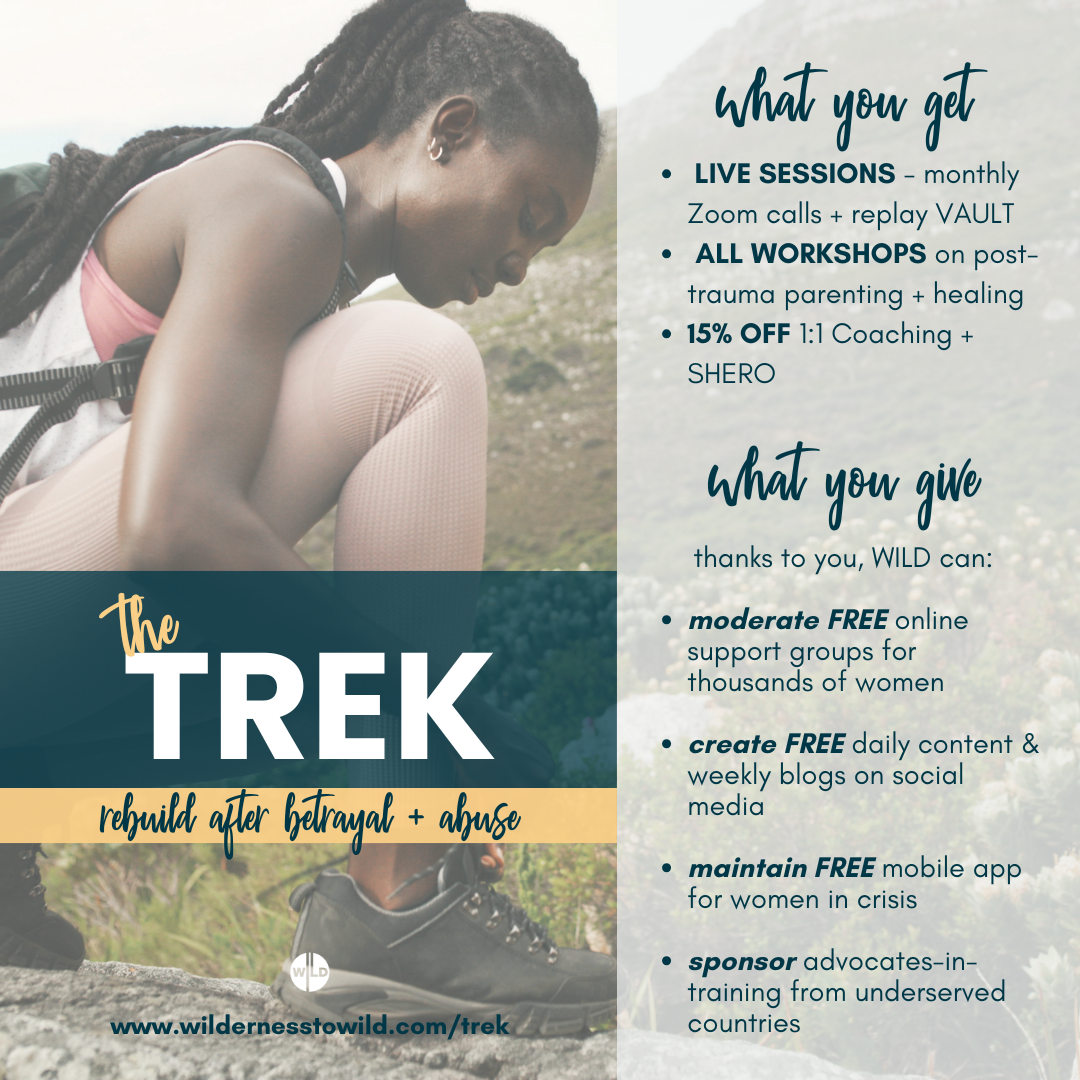
go-to support hub for women ready to thrive
after traumatic stress from betrayal or abuse
4) Have you considered the increased risks of contracting an STD based on the age range of your dating pool? How does this aspect impact your potential conclusions based on medical safety considerations?
This is pretty straightforward. The older we are, the more likely that any possible partner will have had more partners over the years than they did 20-30 years ago.
Are you well-versed in STD facts? Have you had a recent STD test?
(If not, you absolutely should... especially if the demise of your marriage included any factor related to porn, affairs, or other forms of infidelity.)
Are you going to require tangible proof of a clean STD test from any possible sexual partner before engaging in sexual activity? Are you okay with just taking their word for it, or will you insist on seeing the medical paperwork?
5) Was technical virginity taught as a core definition of your identity and feminine worth in your past? If so, do you feel that sex before vows is no longer relevant because you're no longer a virgin? Are there other reasons to abstain from sex before marriage, and have you considered those or listed them out for yourself on paper?
Some of this is already addressed under #3 above. Additional, common-sense reasons to abstain from sex before remarrying, can include:
risks of accidental pregnancy, adding to your load as a single mother
risks of contracting a life-altering STD
risks of creating heightened emotional entanglement that could blind you to red flags, making it harder to break up and ending up in another dangerous relationship.
On the flip side, if you have decided that you're okay with sex before marrying again, it's crucial to articulate WHY you're okay with it. “Been there, done that” and throwing caution to the wind isn’t a wise, reliable basis for deciding sexual boundaries.
6) Do you have children/teens observing your boundaries that further complicates your decision-making process for yourself?
This is a crucial question to assess for yourself. Do you feel that the boundaries you are teaching them as they start out, would be any different than what you believe is appropriate for yourself now at a vastly different stage of life? If so, what are the reasons? If not, why not?
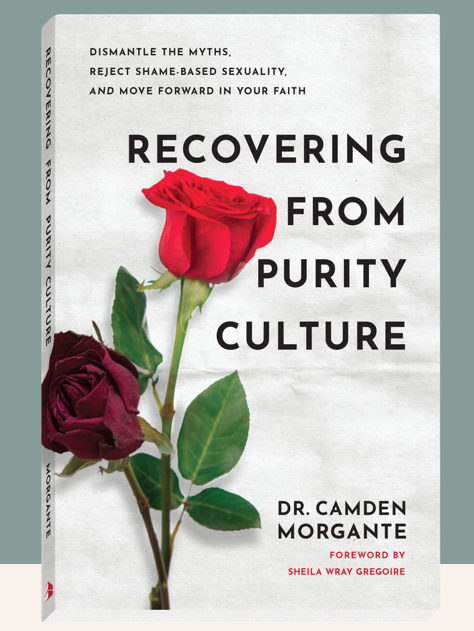
I love this terrific book by Dr Camden Morgante that digs much deeper into this journey!
Related to this — did you have sex before marriage in the past, and how has your experience in an abusive relationship impacted the stance you hold now?
Once you have defined all your reasons, the next step is to determine how to communicate your stance currently to your kids in a way that isn't merely, "Do what I say, but not what I do/did?”
7) Have you arrived at a PERSONAL decision of what you're comfortable with and a clear definition of your own sexual ethics that is based NOT on whatever you were taught as a 16yo, but drawn from both your belief system and your hard-earned wisdom/experience?
This is really where the rubber meets the road. Many women raised in Purity Culture never actually possessed a clear, well-defined sexual ethic of their own.
They just did what they were told, didn't question it, and put in place a collection of arbitrary physical boundaries based on idiotic nonsense — like the 18-inch rule. I’ve talked to grown women who grew up genuinely believing that holding hands or kissing was how you get pregnant…
None of those rules actually taught girls and women (or the boys and men around us!) to exercise authentic, well-informed self-regulation and self-awareness.
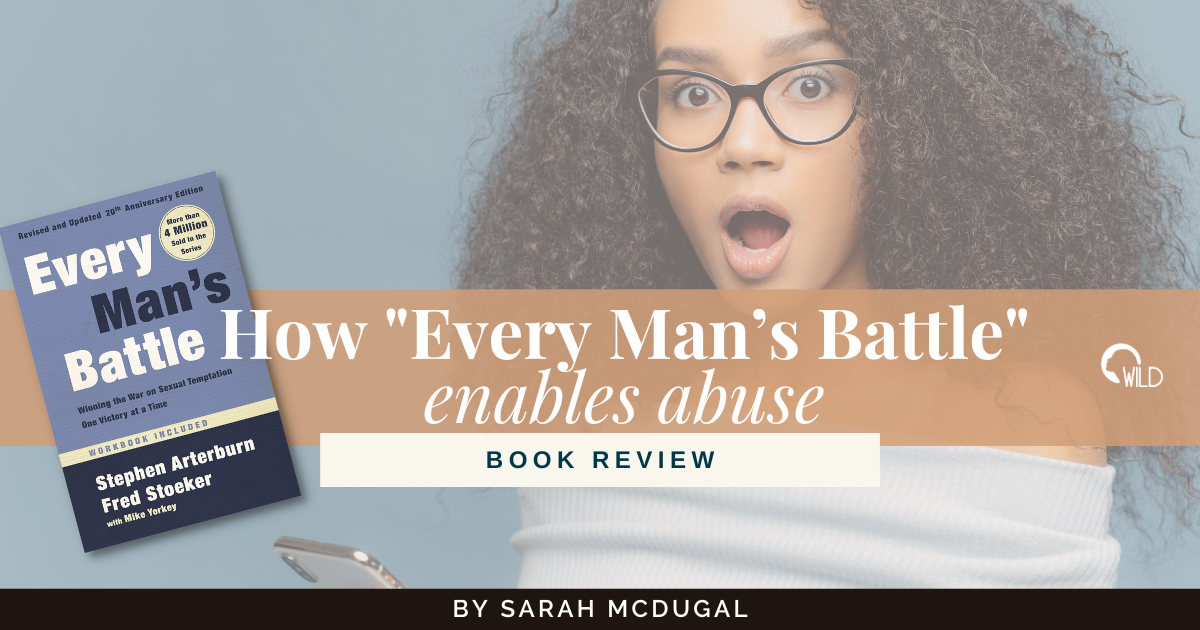
When a young woman grows up believing, "if you let him touch you at all, then he won’t be able to stop himself,” she’s internalizing a baseline of rape culture as normal (Bare Marriage delves into this here), rooted in the assumption that women have no sex drive which means they are the only ones who have the capacity to say no. She’s internalizing the flawed concept that males are utterly incapable of internal sexual regulation based on "being created male.” (Yes, that's a legit quote, from the profoundly damaging book, Every Man's Battle. Ergo, it's God's fault he can't control his penis...)
If your sex education never taught you any of these concepts, then exploring it for yourself in safe and low-risk situations as an adult woman is probably a very healthy experience to allow yourself. That doesn't mean you have to violate your boundaries in the process.
8) Last but certainly not least — as you are defining your personal stance on sexuality, you may need to also assess your definition of marriage. What defines a binding marital commitment, to you?
Do you believe that the traditional Western marriage license and the concurrent involvement of governmental taxation structures is what identifies a married couple?
(This is a loaded topic which, while relevant to defining your sexual standards, likely deserves a completely separate personal assessment process.)
To address it at least briefly here... there are many valid reasons why older women may feel the urge to untangle their own working definition of "real marriage". Here are some questions you may want to ask yourself as you dissect what you believe does define a binding marital commitment:
Is it the sacred vows?
Is it the license?
Is it the public ceremony?
Is it something else?
Are you going to sign a marriage certificate again?
These are complex and nuanced issues for each mature divorced survivor to assess personally — and best processed with an estate or contract lawyer in the mix, if you're in a position to need to explore your options.
***
As you put in the hard, messy work of post-trauma growth and healing after betrayal or other forms of abuse, it is important to do trauma therapy and learn nervous system regulation skills, especially in the seasons of Safety and Stability.
As you grow toward the season of Strength, it’s crucial to invest energy into identifying your own underlying belief systems and then begin to gently and gradually disentangle from the parts that were unhealthy, while clinging to the aspects that were good and safe.
Taking these steps allows opportunities for self-reflection, self-awareness, and intentionally rebuilding a well-researched set of core beliefs that can guide you forward.
If you’re wondering which season of healing you’re in right now, be sure to grab the Seasons of Healing workshop today!
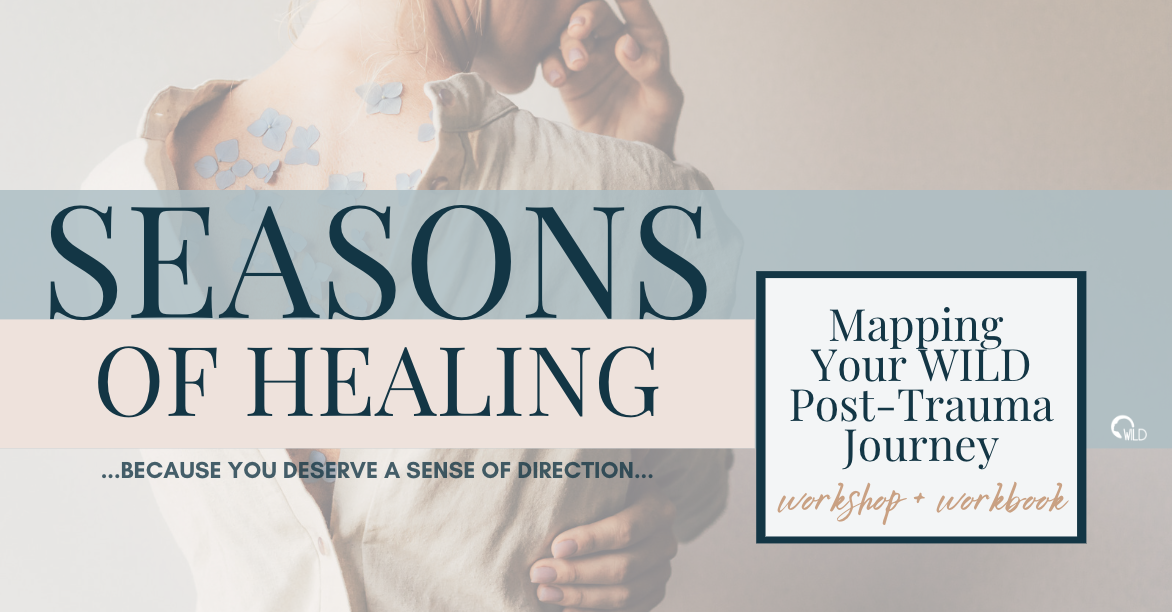
Do You Know...
Which season of healing are you living through right now?
What does your mind & body need most in this particular season?
"Seasons of Healing" Launches You on the Path to:
reclaim your voice from the silence.
embrace your identity as a survivor, not a victim.
pierce the fog of cognitive dissonance.
take back control of your choices.
build new patterns.
(Or join the TREK and get any workshop for 15% OFF!)
Follow on Facebook and Instagram.
Subscribe on YouTube for hundreds of free videos on abuse recovery.
Browse my Best Books List to find safe resources on betrayal trauma, healing, relationships, and more!
Want more articles like this?
Get new posts straight to your inbox!